The Orb
Rebuilding a centrepiece escape-room prop so it survives thousands of players a year — including a part 3D-printed in stainless steel.
- Client
- Sherlocked
- Year
- 2024
- Status
- In daily use at Sherlocked Amsterdam
- Services
- Hardware prototyping Software & MVPs
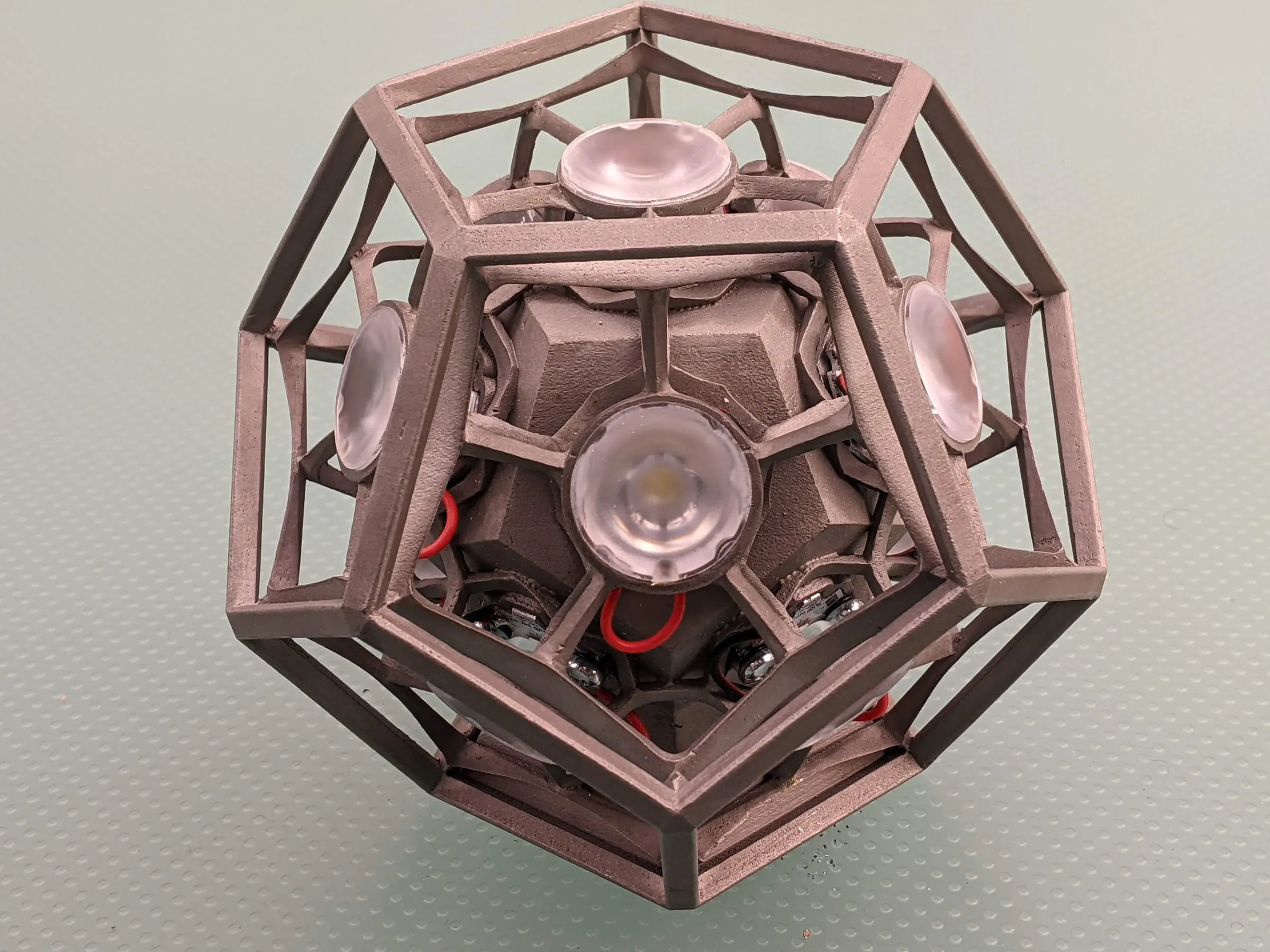
What Sherlocked needed
Sherlocked build immersive escape rooms in the Beurs van Berlage in Amsterdam. They run around 25,000 players a year, and have hosted Apple, Netflix and Heineken. Their reputation rests on rooms that feel real and never break character.
The Orb is a centrepiece prop in one of those rooms. It worked, but not well enough: functionality was limited, and it was not strong or stable enough to be handled by strangers, all day, every day, for years.
What made it hard
A prop in a paid experience has an unusual specification. It has to be handled by people who have no idea how it works, are excited, are sometimes in the dark, and are occasionally rough with it. It cannot look industrial. It cannot be serviced mid-session. And when it fails, it does not fail quietly — it fails in front of a paying group who have to be refunded.
That means designing for the worst user rather than the average one, and building in far more margin than the mechanism strictly needs.
What we did
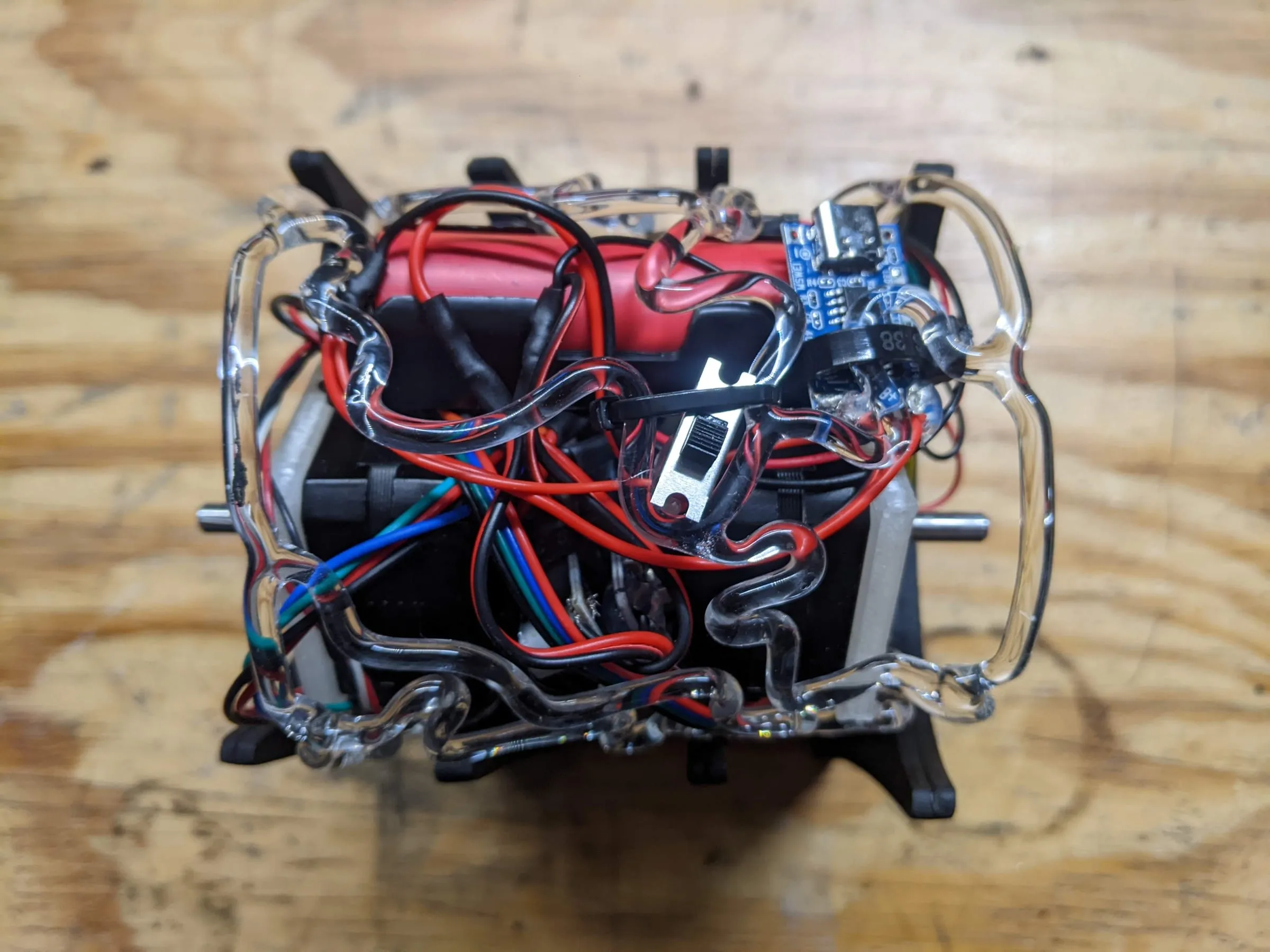
We redeveloped the Orb: improved what it could do, and rebuilt it to be stronger and more stable. The internals were reworked around reliability rather than cleverness — fewer things that can drift out of alignment.
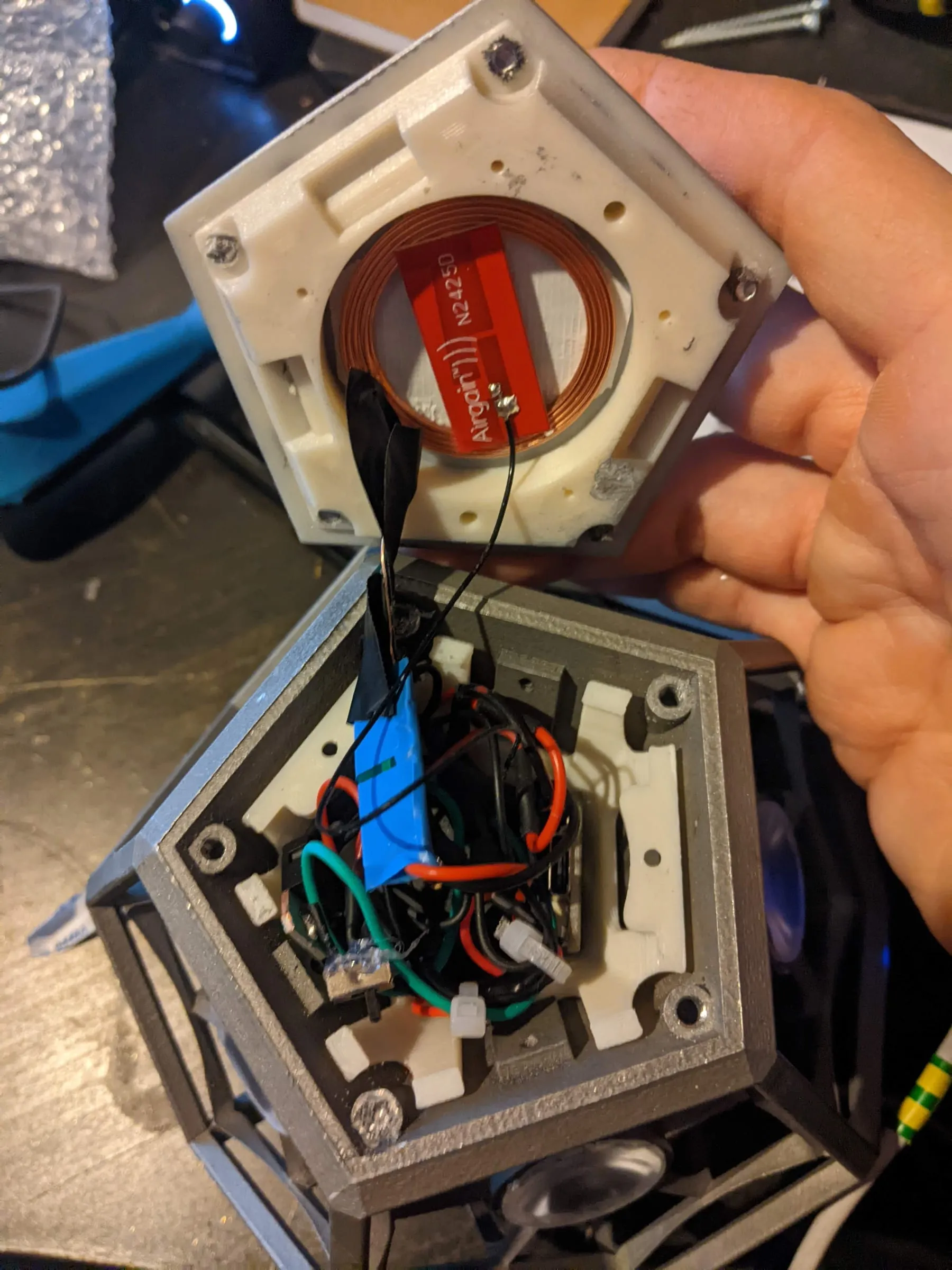
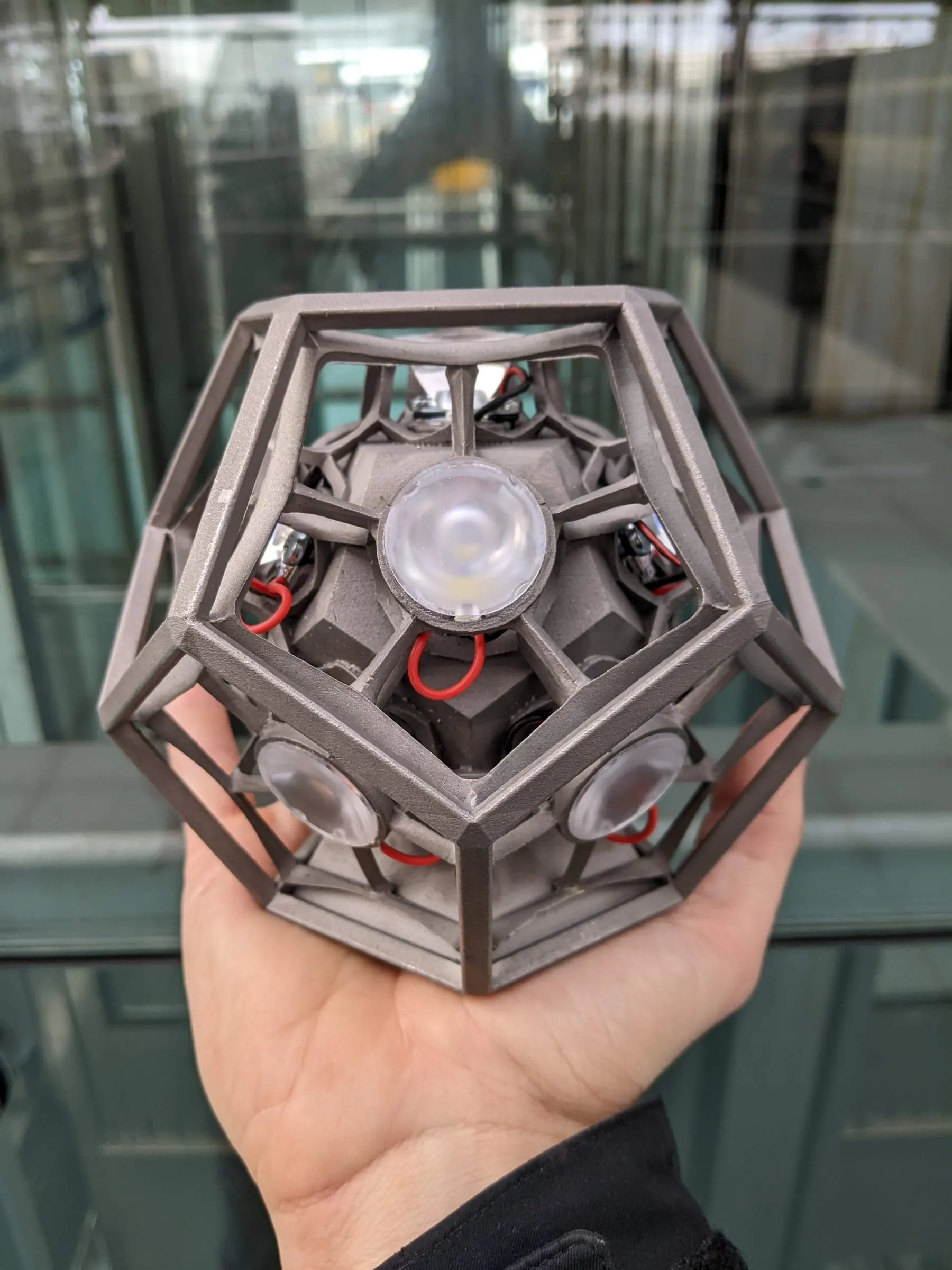
For the part carrying the load, we designed and had it 3D printed in stainless steel. Metal printing is the right answer for a run of one: the geometry was complicated enough that machining it would have been slow and expensive, and a plastic print was never going to survive the handling.
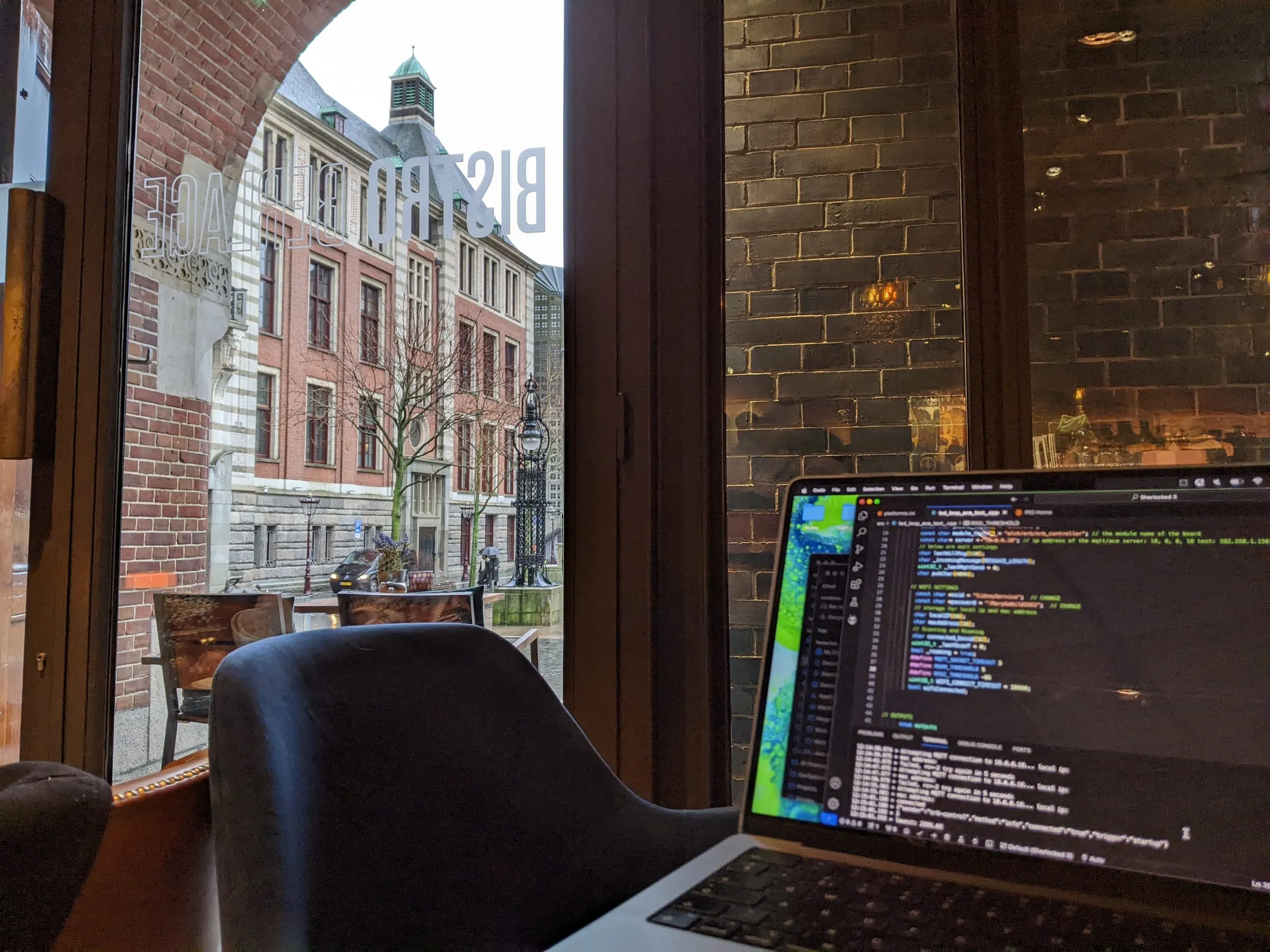
Commissioning it on site
Escape-room props do not get commissioned on a bench. The Orb had to be programmed and tuned in the room, in the lighting the players actually see, with the timing that fits the story beat it belongs to.
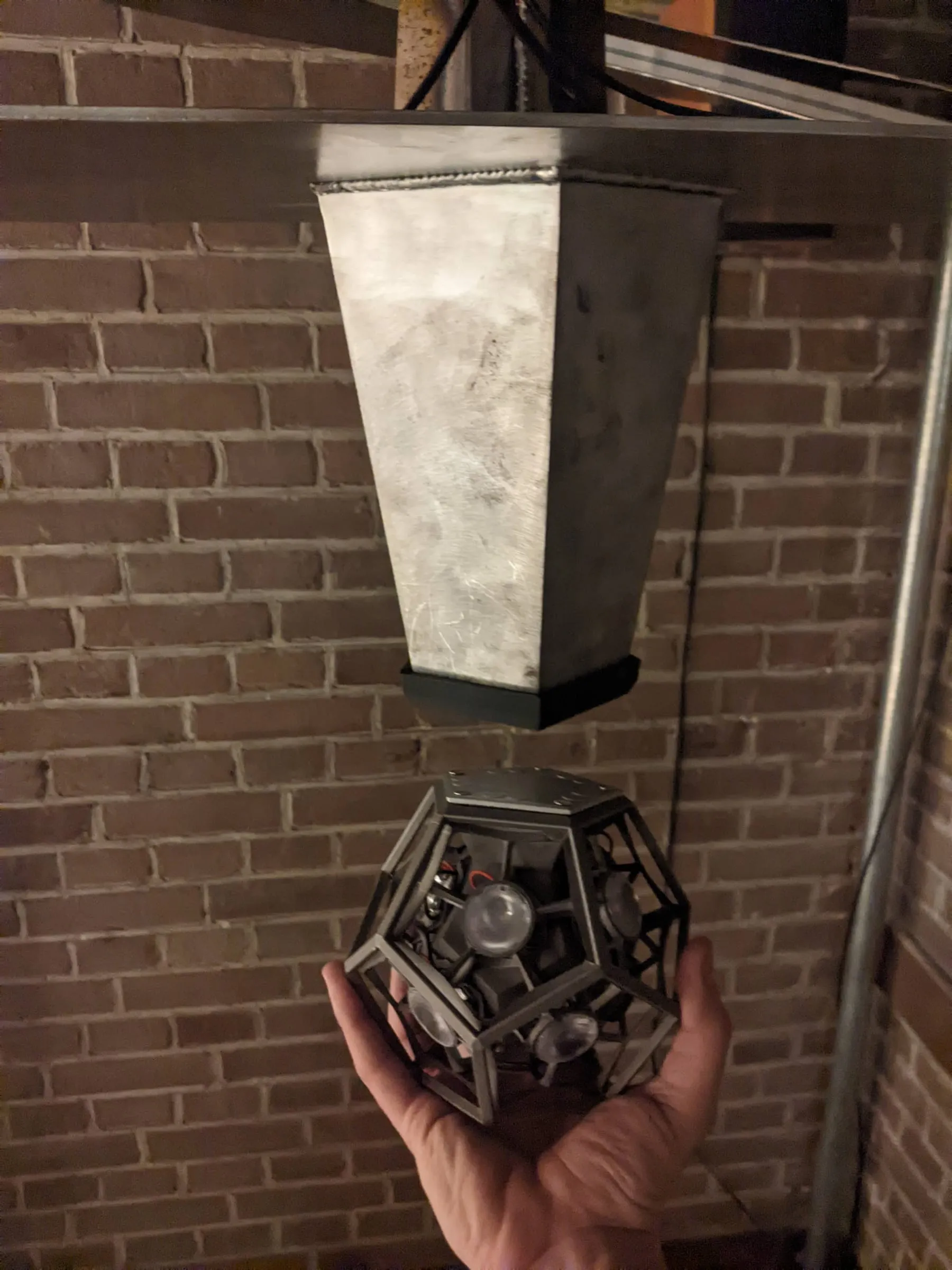
Where it stands
The Orb is in daily use at Sherlocked Amsterdam.
- Props and experiences
- Metal 3D printing
- Reliability
- On-site commissioning
Knowledge this took
- Reverse-engineering an existing mechanism
- Design for abuse — thousands of untrained users per year
- Metal 3D printing (stainless steel) and when it beats machining
- Embedded electronics and control logic
- On-site programming and commissioning in a live venue
So we can also build
- Interactive props and set pieces for attractions and museums
- Hardening a prototype that works but keeps failing in the field
- Short-run metal parts where machining is too slow or too expensive
- Retrofit electronics into existing physical installations
Something close to this but not quite it?
Got something like this in mind?
Ask Ola how we'd approach it, or go straight to a person.