Many and the Same
A built game about whether we can actually listen to one another, rather than assume — designed, fabricated and played with real groups.
- Client
- Self-initiated
- Year
- 2022
- Status
- Built and played with groups
- Services
- Hardware prototyping Concept to market
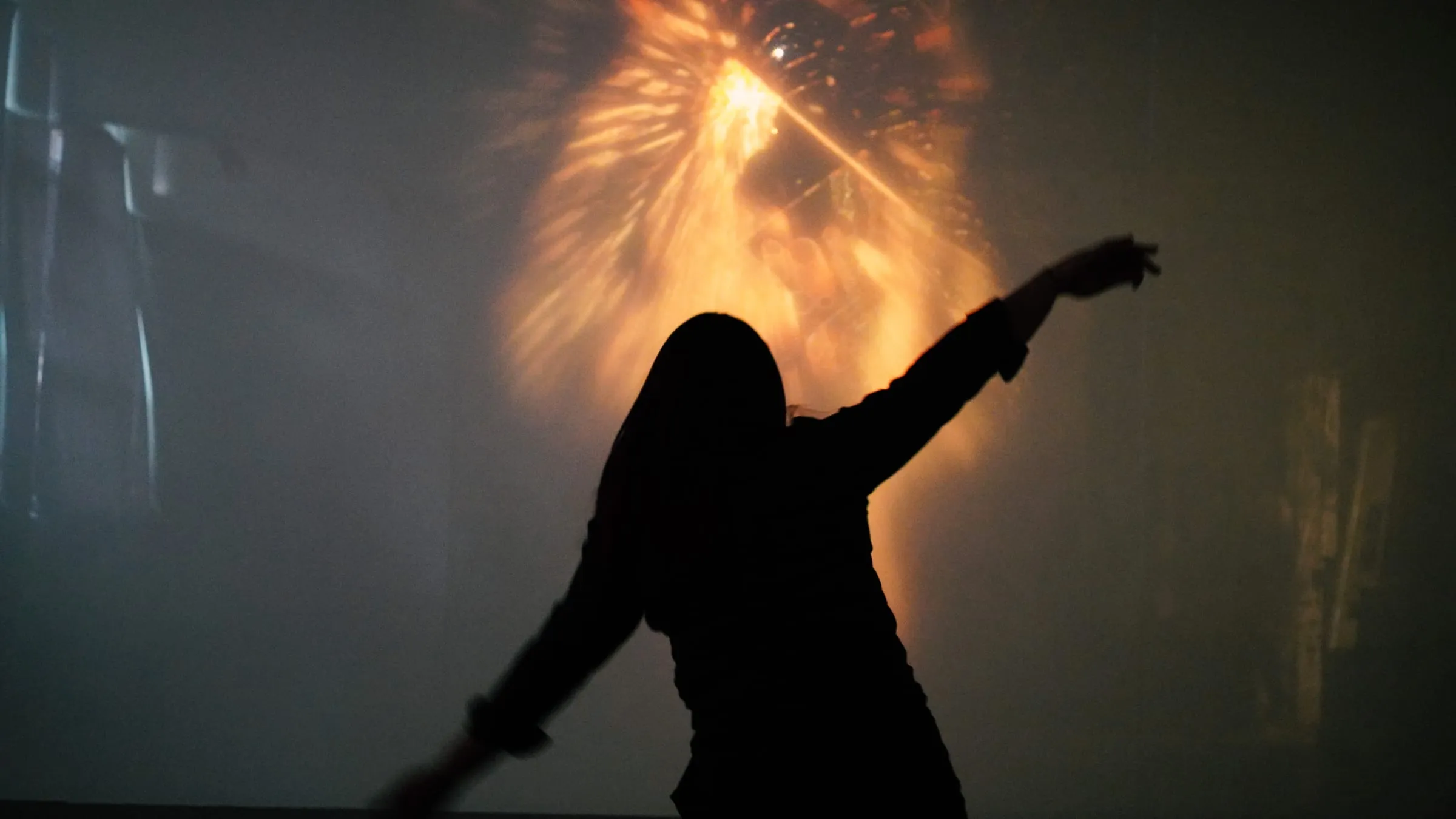
The question
A performative jam, built around a question: can our curiosity about one another let us genuinely listen — really listen, not assume — and leave space for each other?
That is not a brief with a deliverable. It is a question, and the work was finding an object that makes people do it without being told to.
What makes this kind of thing hard
You cannot specify your way to it. A game that is too explicit becomes a workshop exercise and people perform rather than participate; too loose and nothing happens at all. The only way to find the line is to build something, put it in front of a group, and watch how quickly they forget they are being observed.
Which means fabricating a real object early, knowing the first version is probably wrong.
How it was made
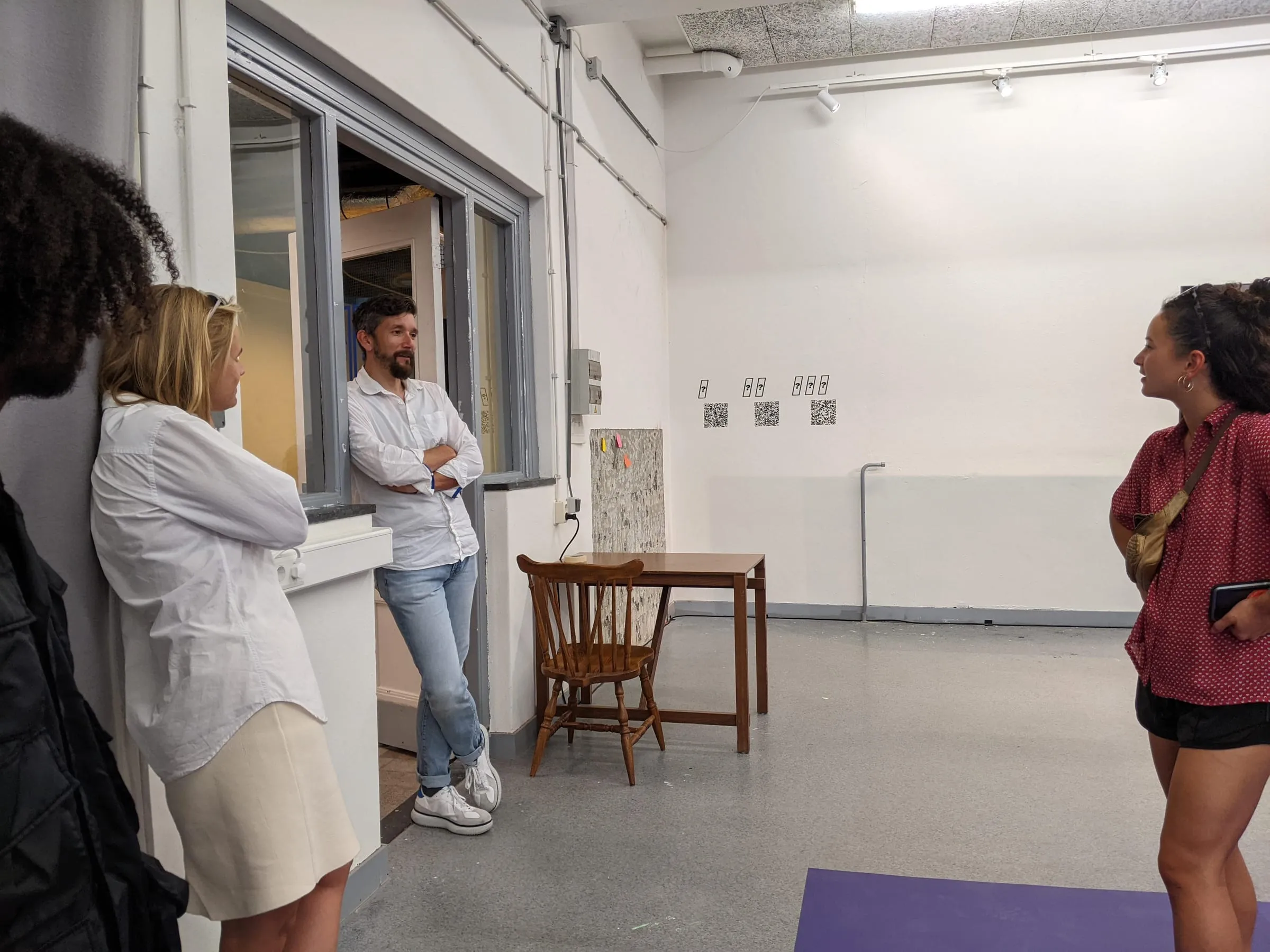
Planning and the shape of the interaction first.
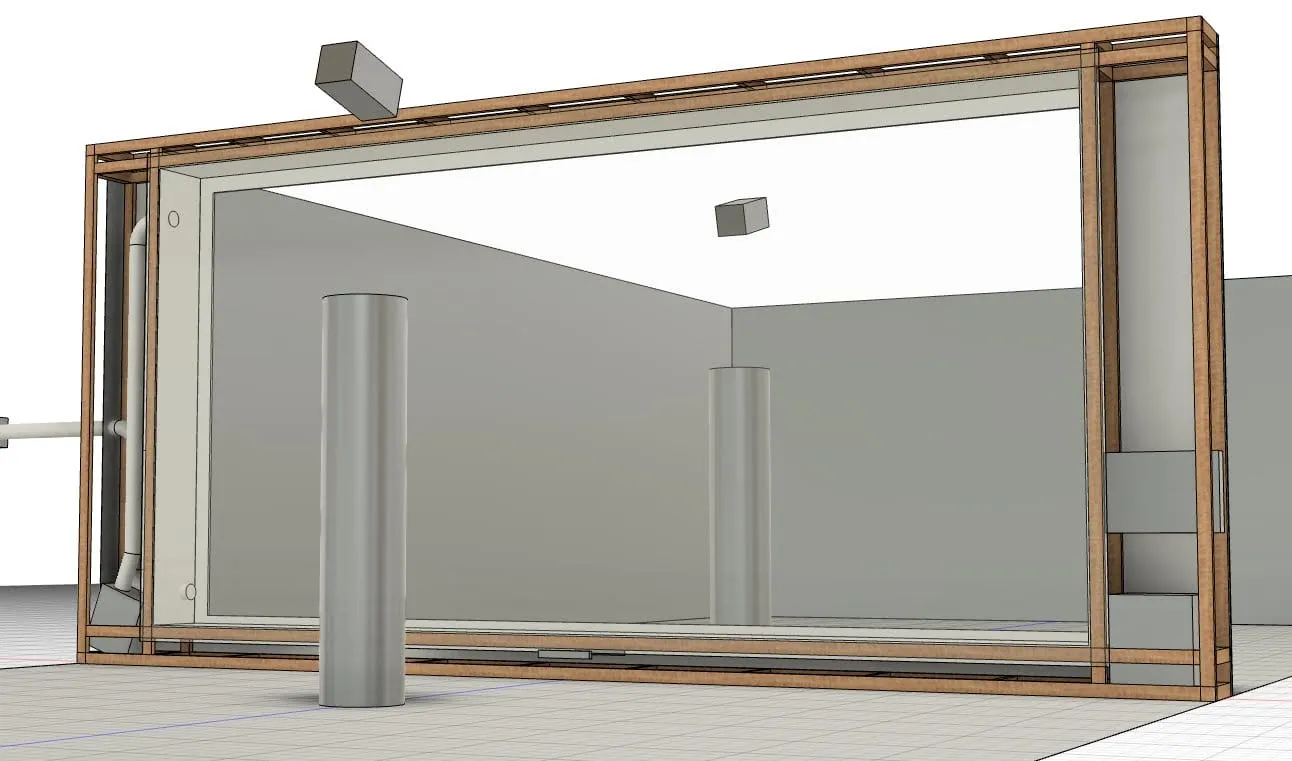
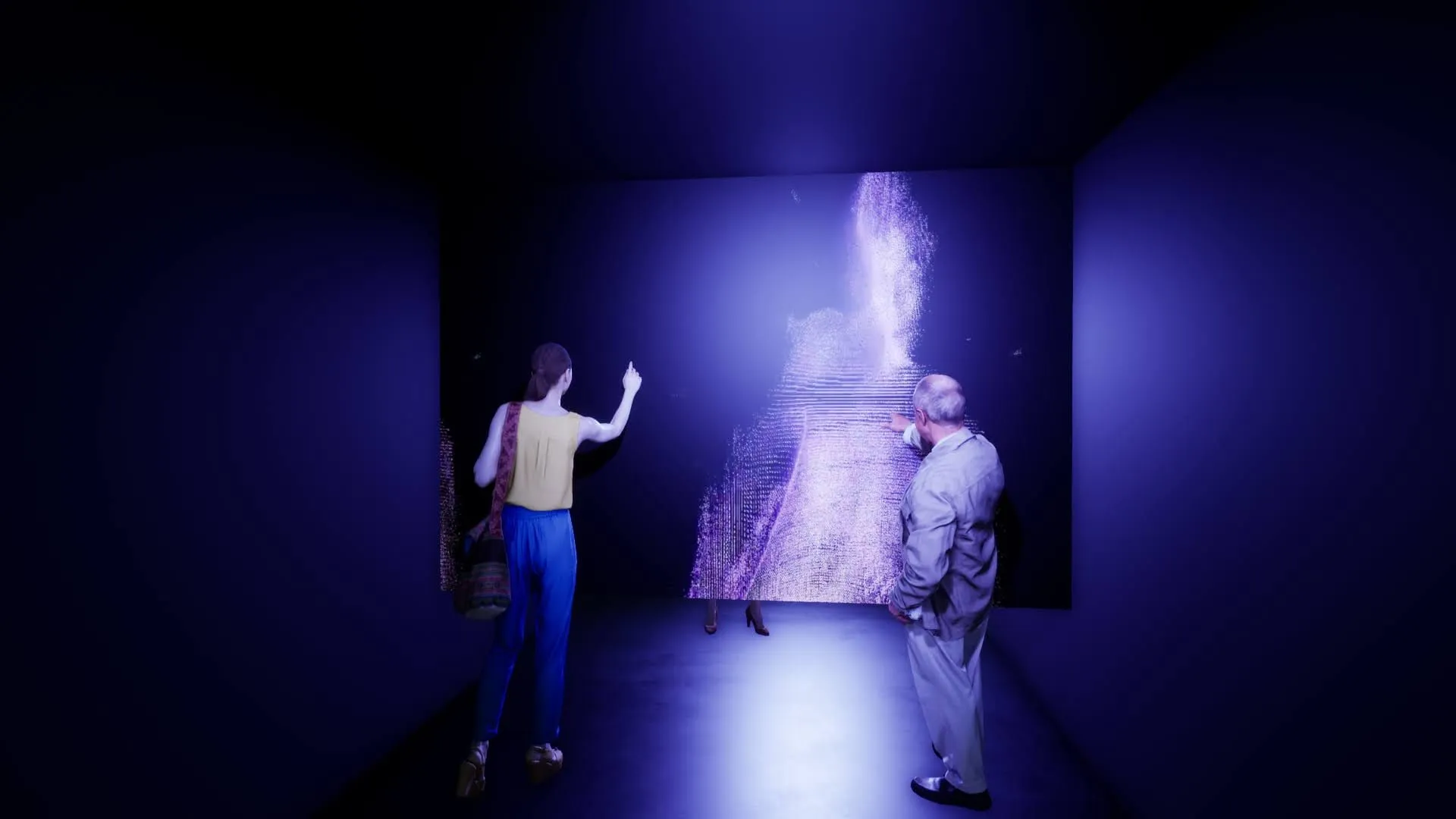
Then visualising it, to test proportions and how people would arrange themselves around it before cutting anything.
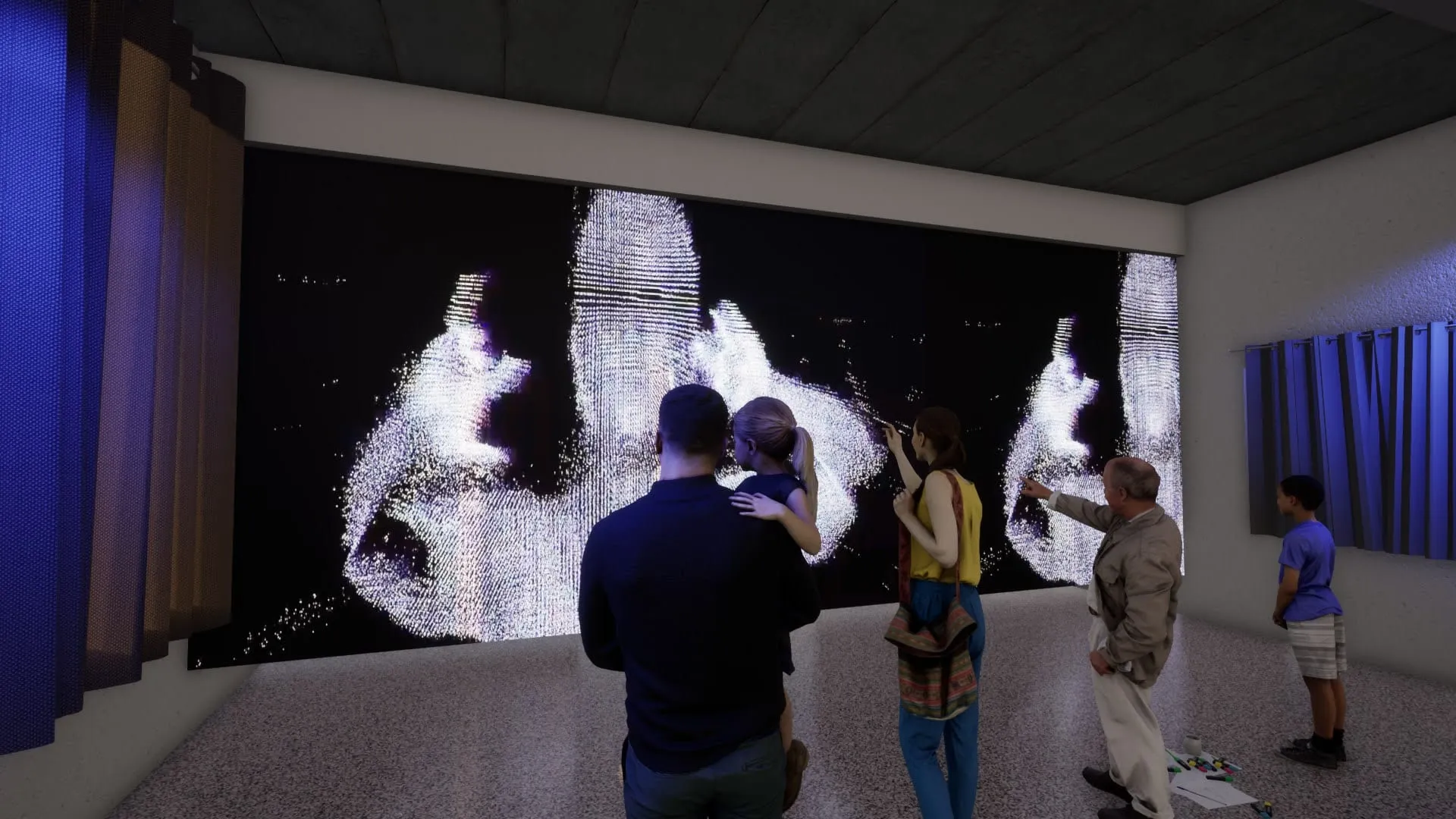
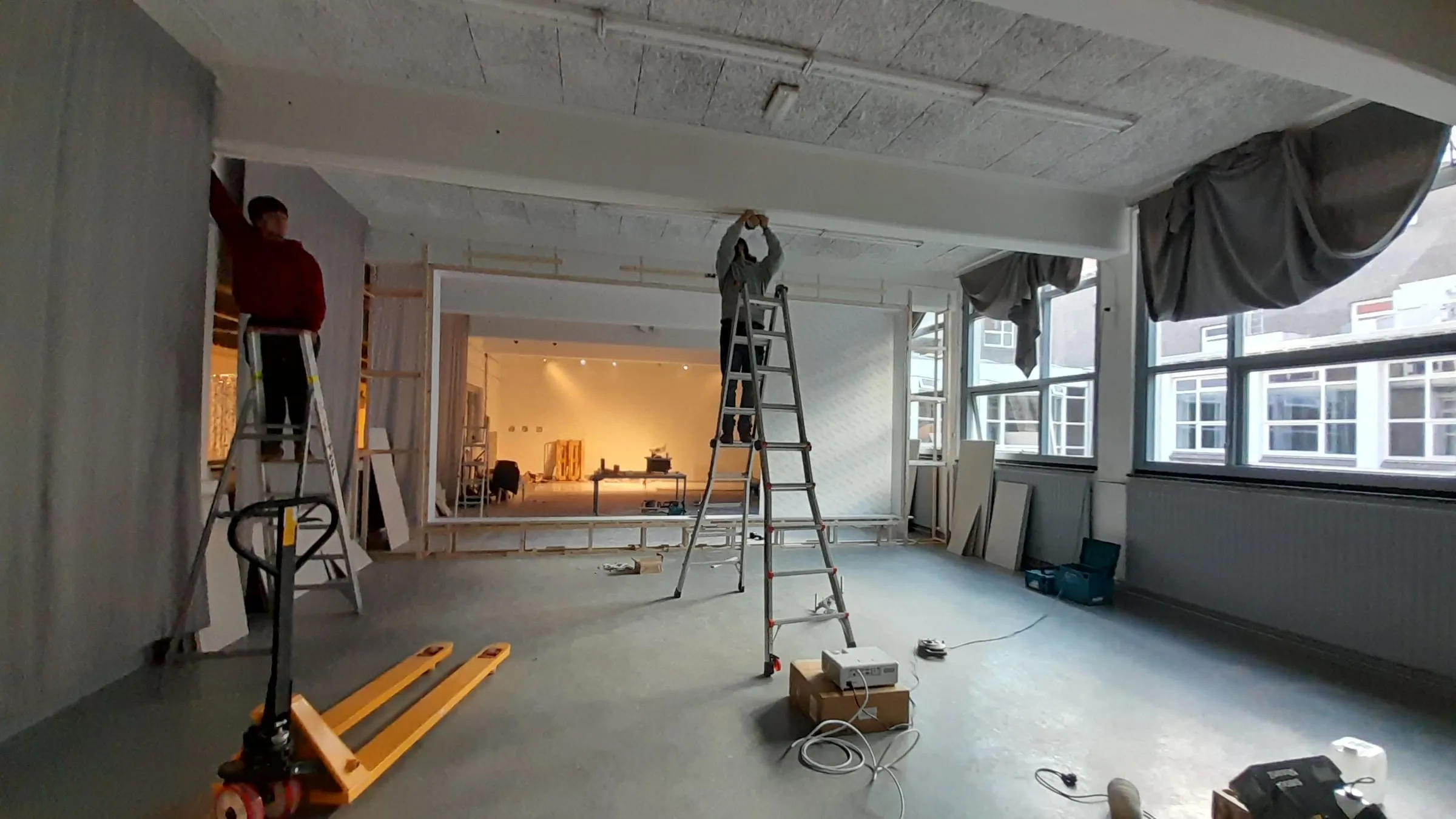
Then building it.
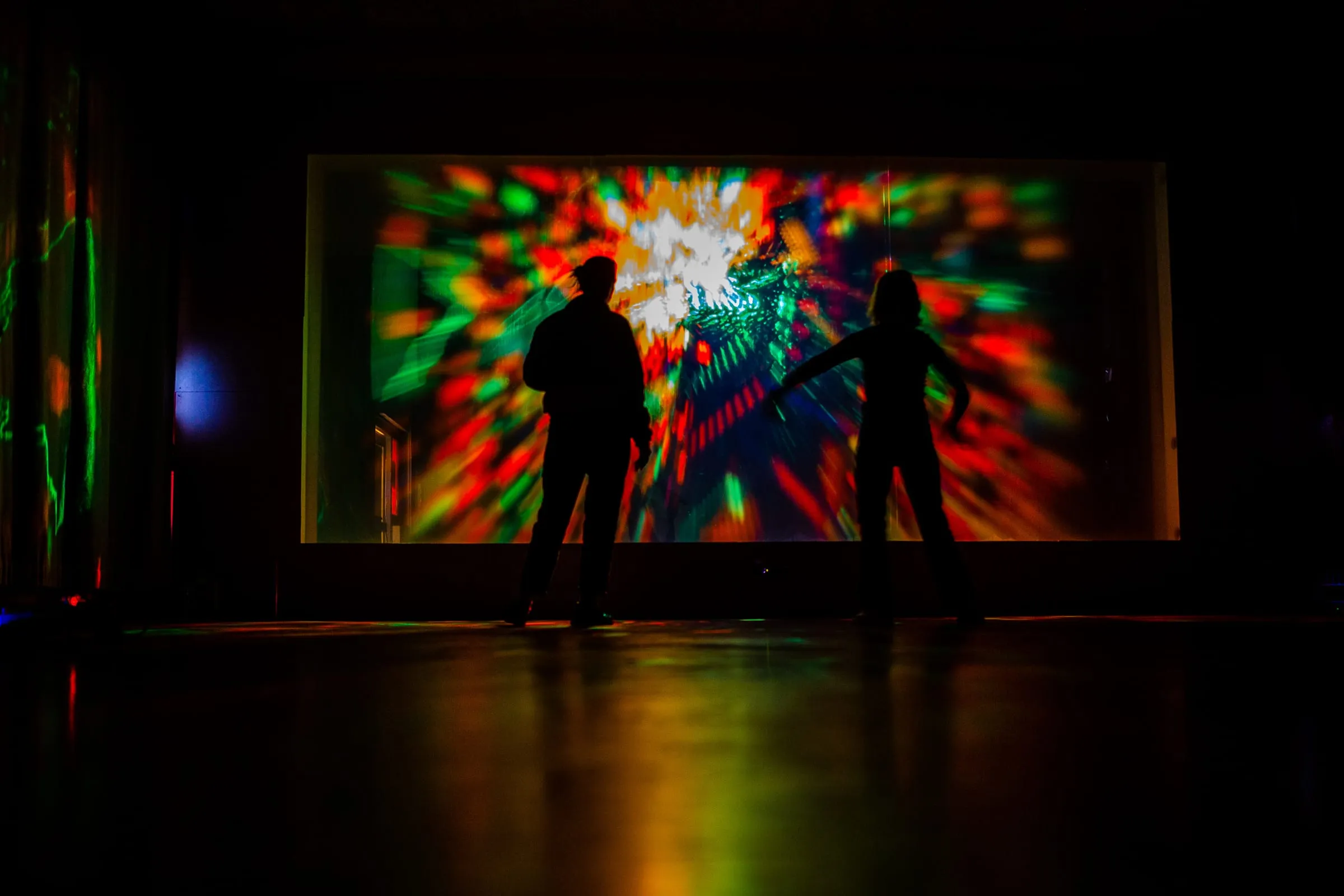
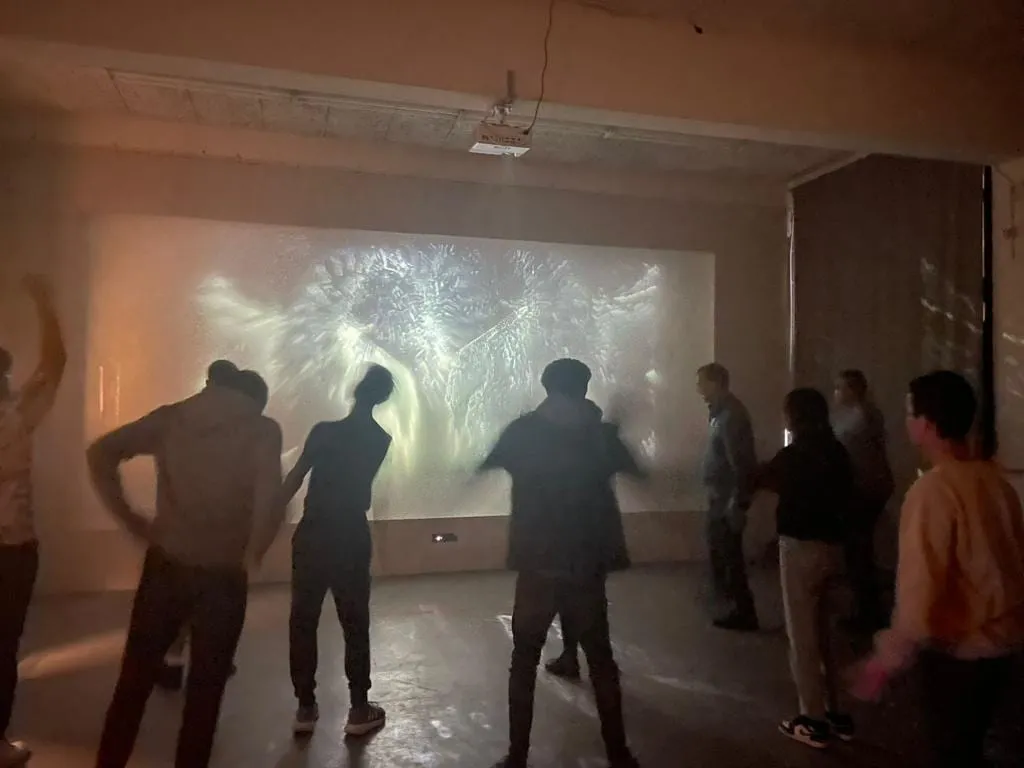
Playing it
The part that mattered: groups of people, actually using it.
Why it is here
It is the clearest example of the studio working without a spec. Some projects arrive as a question rather than a requirement, and the method is the same: build the rough version, put it in front of people, and let what happens decide the next move.
- Experience design
- Fabrication
- Social design
- Play
Knowledge this took
- Designing an interaction before designing an object
- 3D visualisation and iteration before committing to material
- Physical fabrication of large play objects
- Facilitating and observing sessions with real groups
- Turning a research question into something people will pick up
So we can also build
- Workshop and team formats that need a physical object to work
- Museum and exhibition pieces built around participation
- Prototyping social interactions, not just interfaces
- Fabrication of large, handled, human-scale objects
Something close to this but not quite it?
Got something like this in mind?
Ask Ola how we'd approach it, or go straight to a person.