FishView
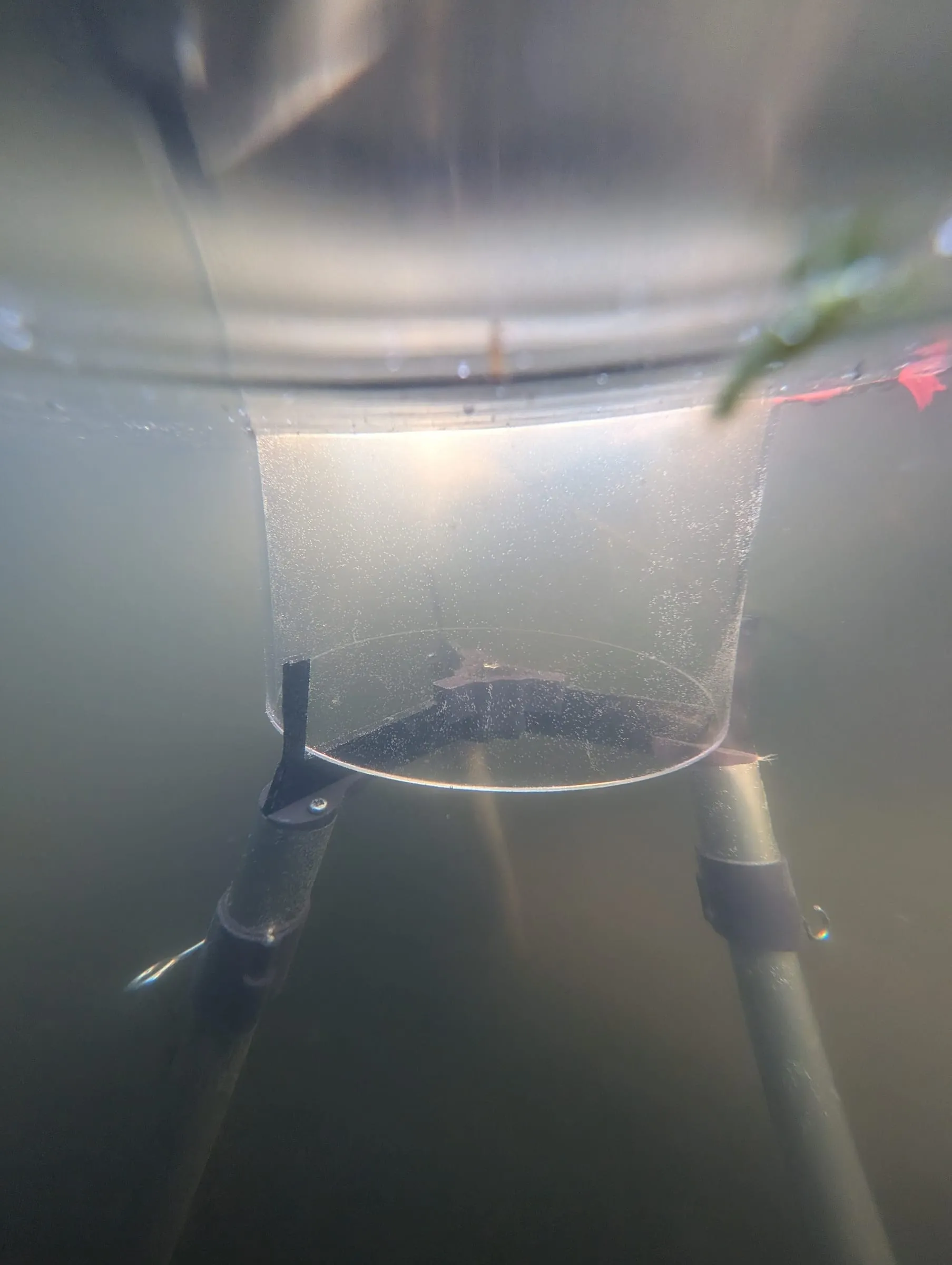
A transparent dome that holds a column of pond water above the surface, so koi swim up into it and can be seen from every side.
- Client
- FishView
- Year
- 2025
- Status
- In production and selling
- Services
- Hardware prototyping Concept to market
What the client needed
We worked with Mariia on this. FishView had the idea and a rough proof that it worked: a clear dome sitting in a garden pond, held full of water by negative pressure, that fish swim up into of their own accord. Above the waterline, in the round, visible.
An idea that works once in a garden is not a product. They needed it to be something that could be manufactured, boxed, shipped to a stranger, assembled on a pond edge they had never seen, and left outdoors for years.
What made it hard
A column of water suspended above a pond is a balance. It stays up because of pressure, which means the whole assembly has to hold a seal permanently, in a garden, through temperature swings, algae, and whatever a curious fish or heron does to it. Any leak and the effect is gone.
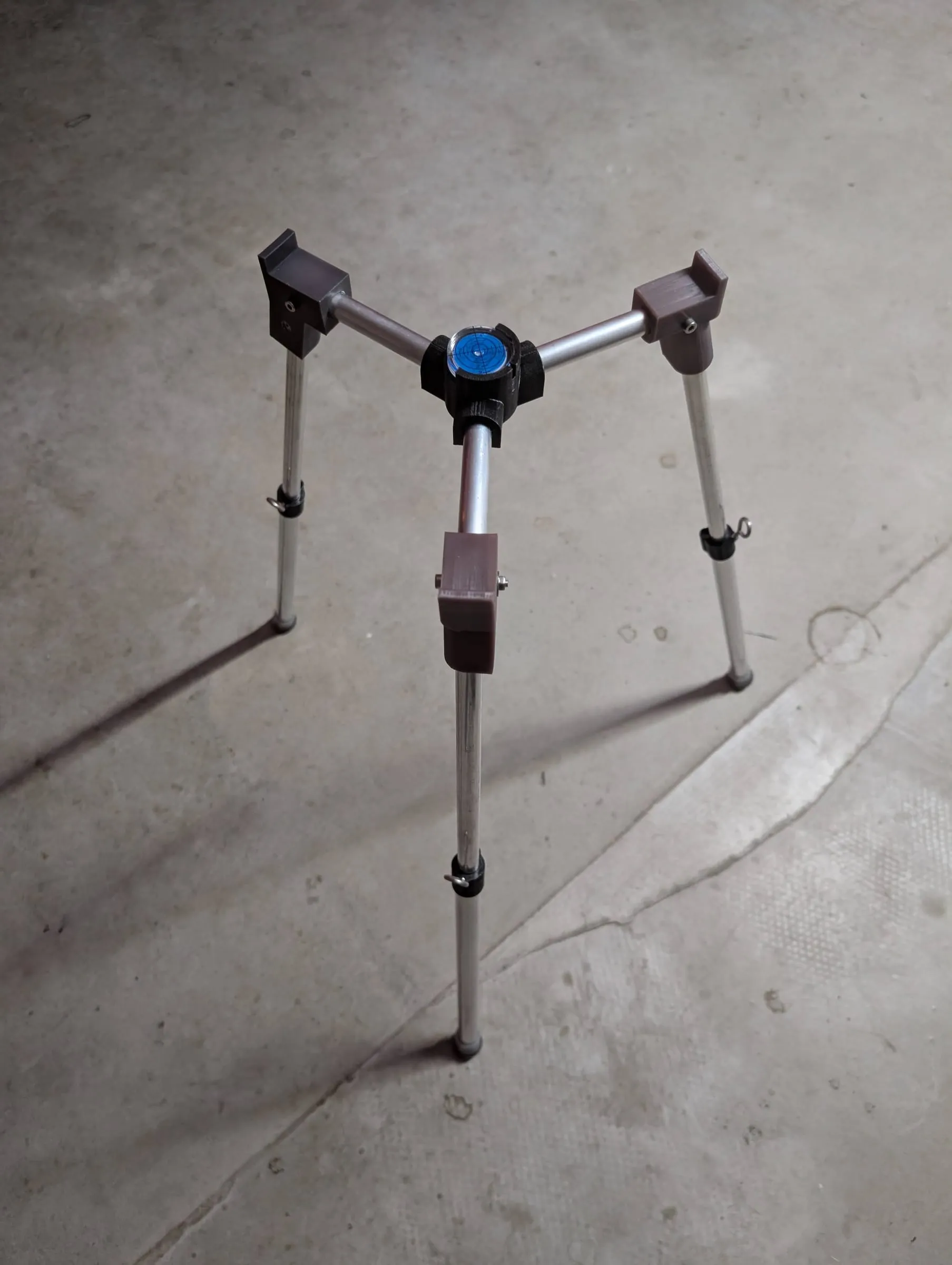
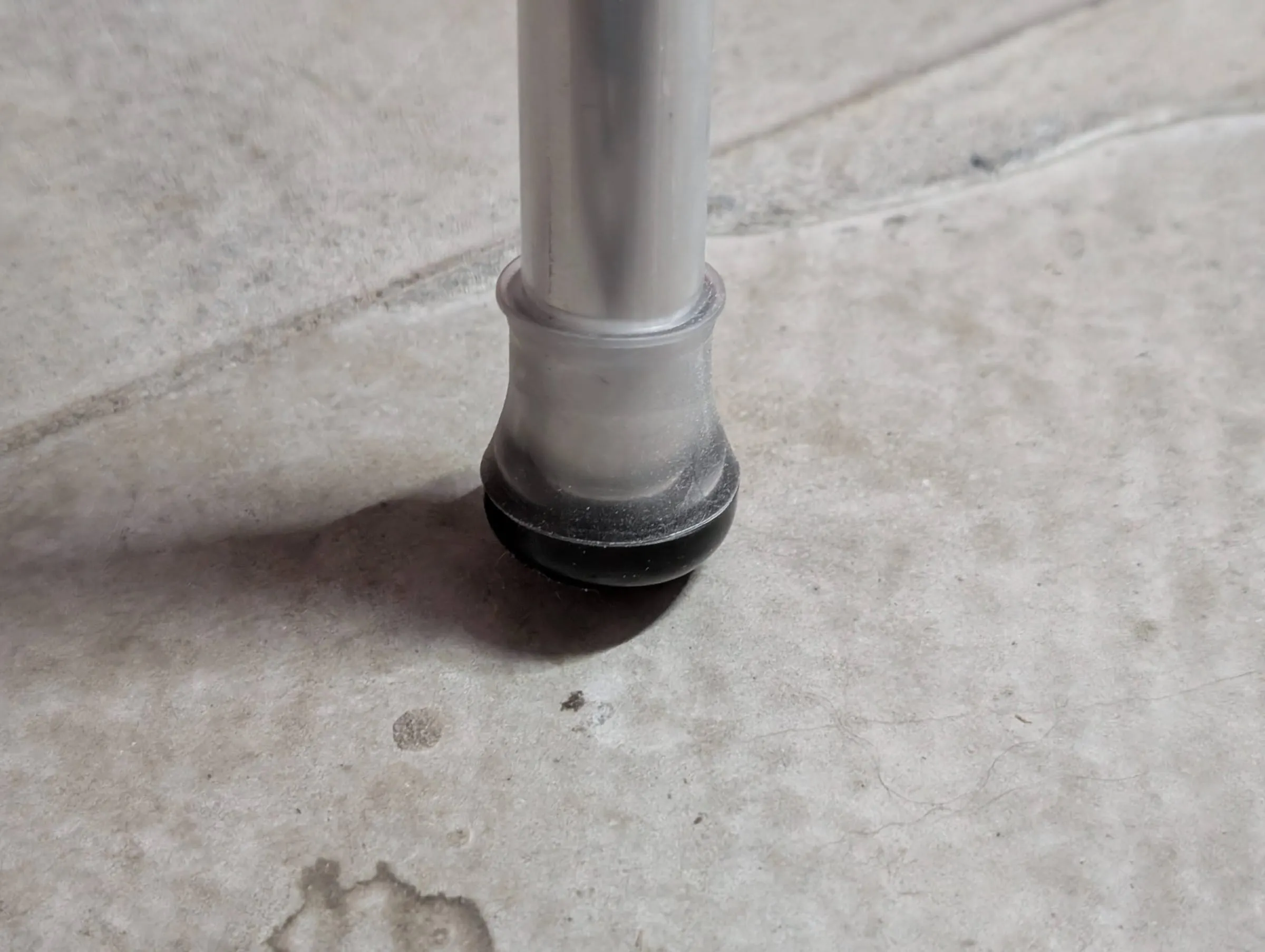
The base is the other half of the problem. Ponds are not flat and no two are the same depth at the edge, so the dome cannot sit on a fixed stand — it has to adjust, stay rigid once set, and not corrode.
What we did
We took on the product engineering, against a brief with five demands that pull against each other: strong and long-lasting, modular, easy to manufacture, able to fit inside a shipping box, affordable — and good-looking.
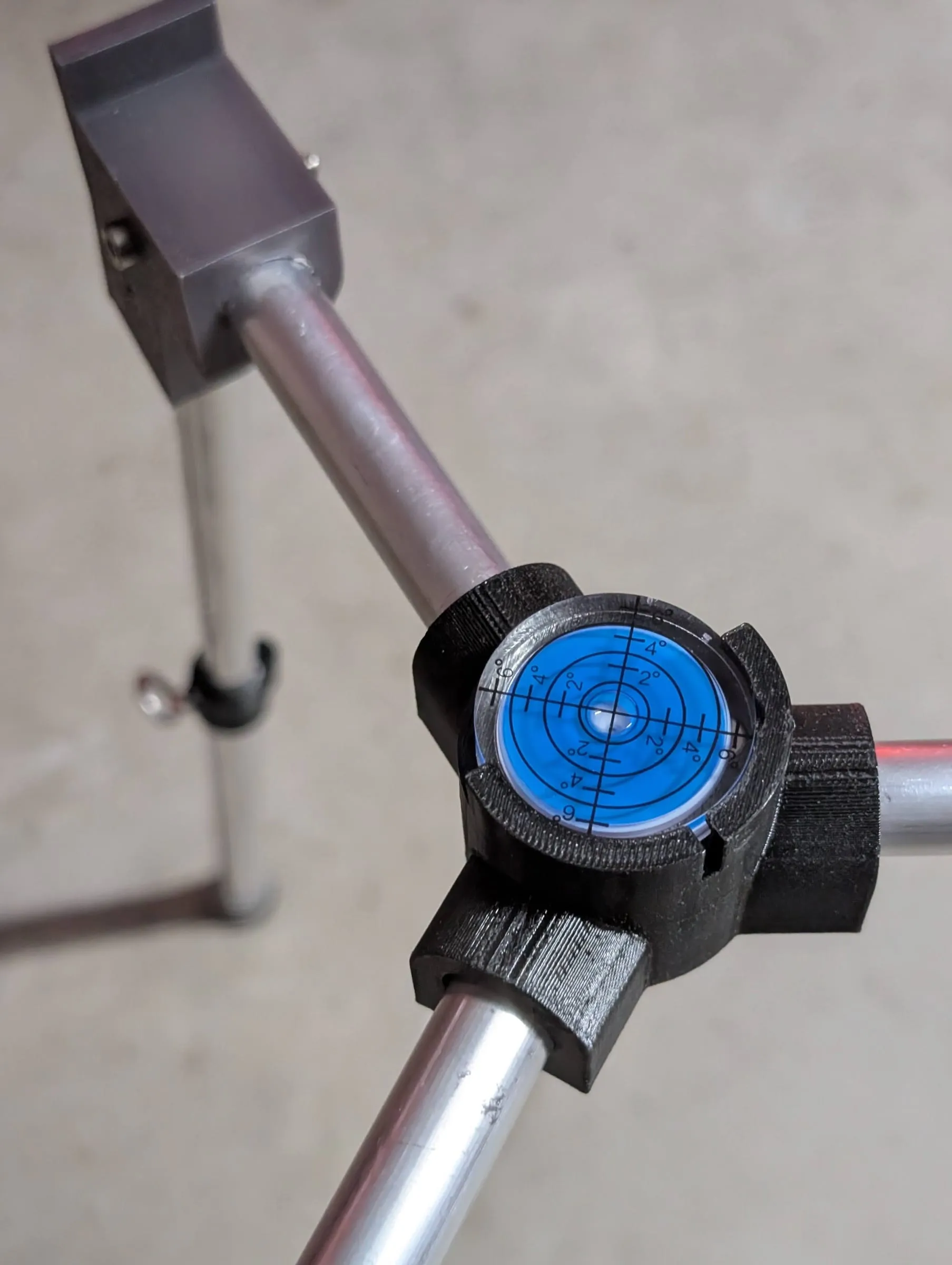
That covers the dome itself, the adjustable aluminium base, and the 3D-printed connectors that tie the two together. Along the way it also meant solving how the leg lengths adjust, how the lights and the bubble level attach, and how to keep the whole structure thin enough that a fish still has room to swim in.
Most of the work was in the joints. The connectors carry real load and have to lock reliably by hand, without tools, by someone following a sheet of paper.
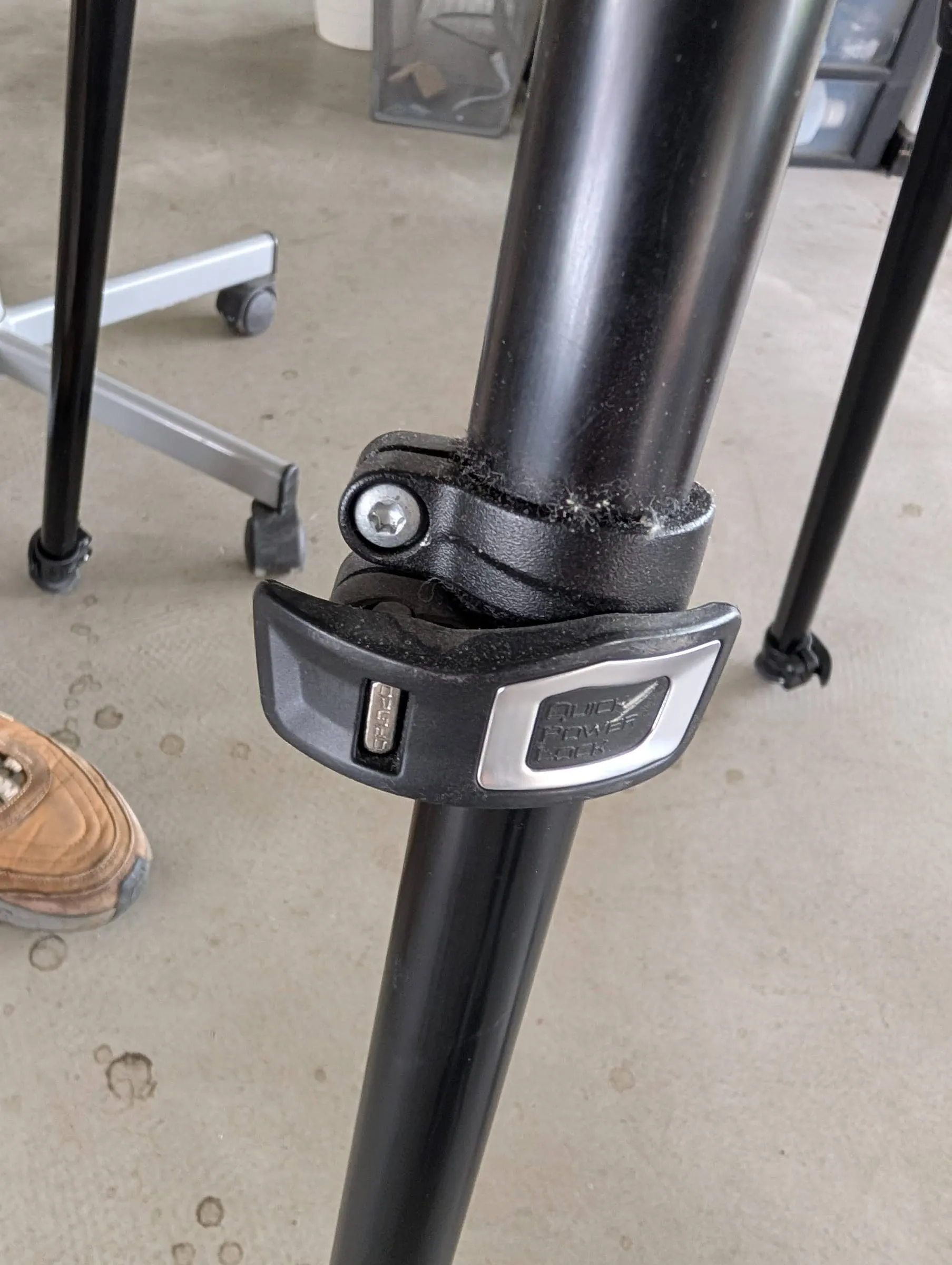
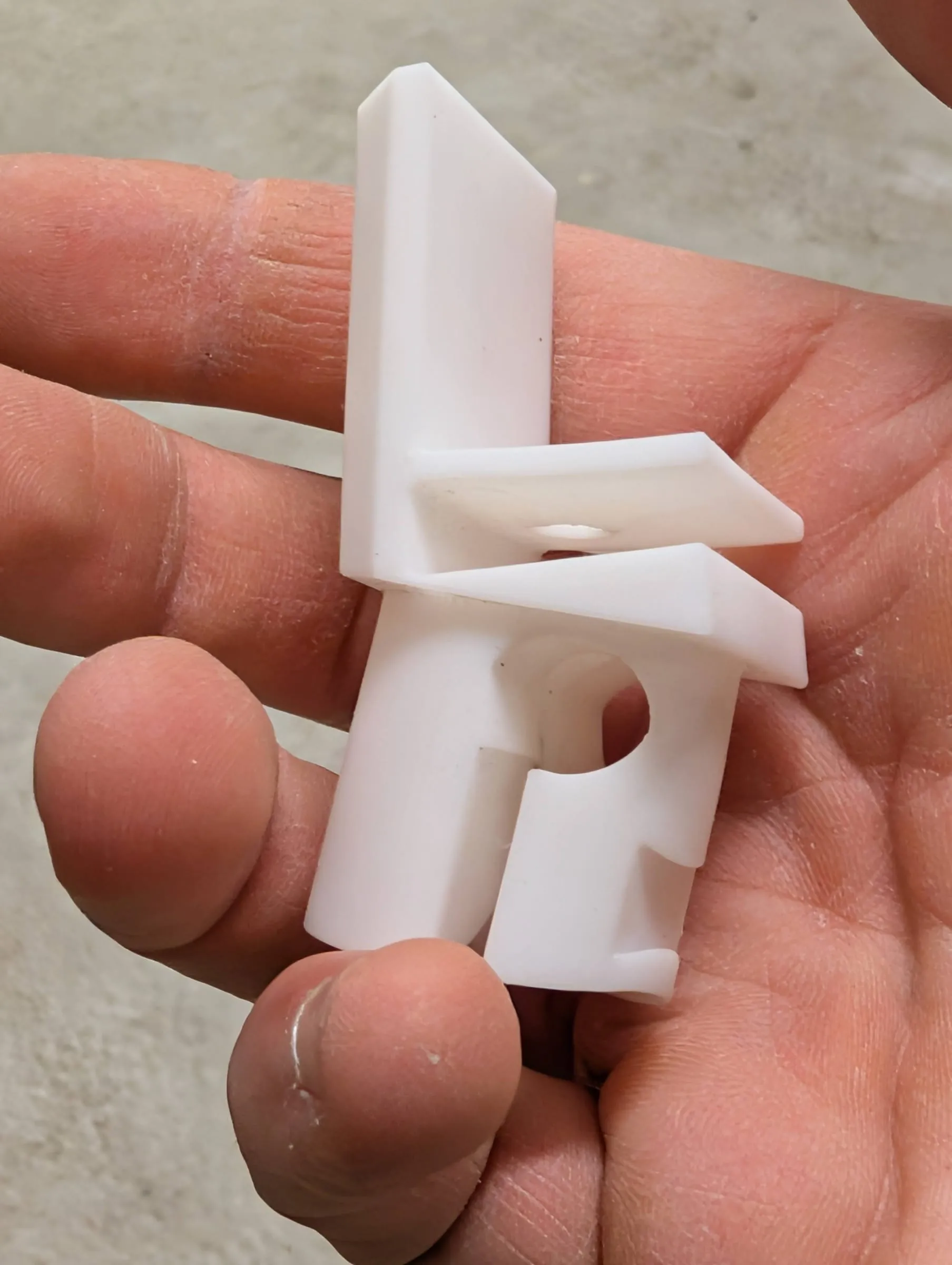
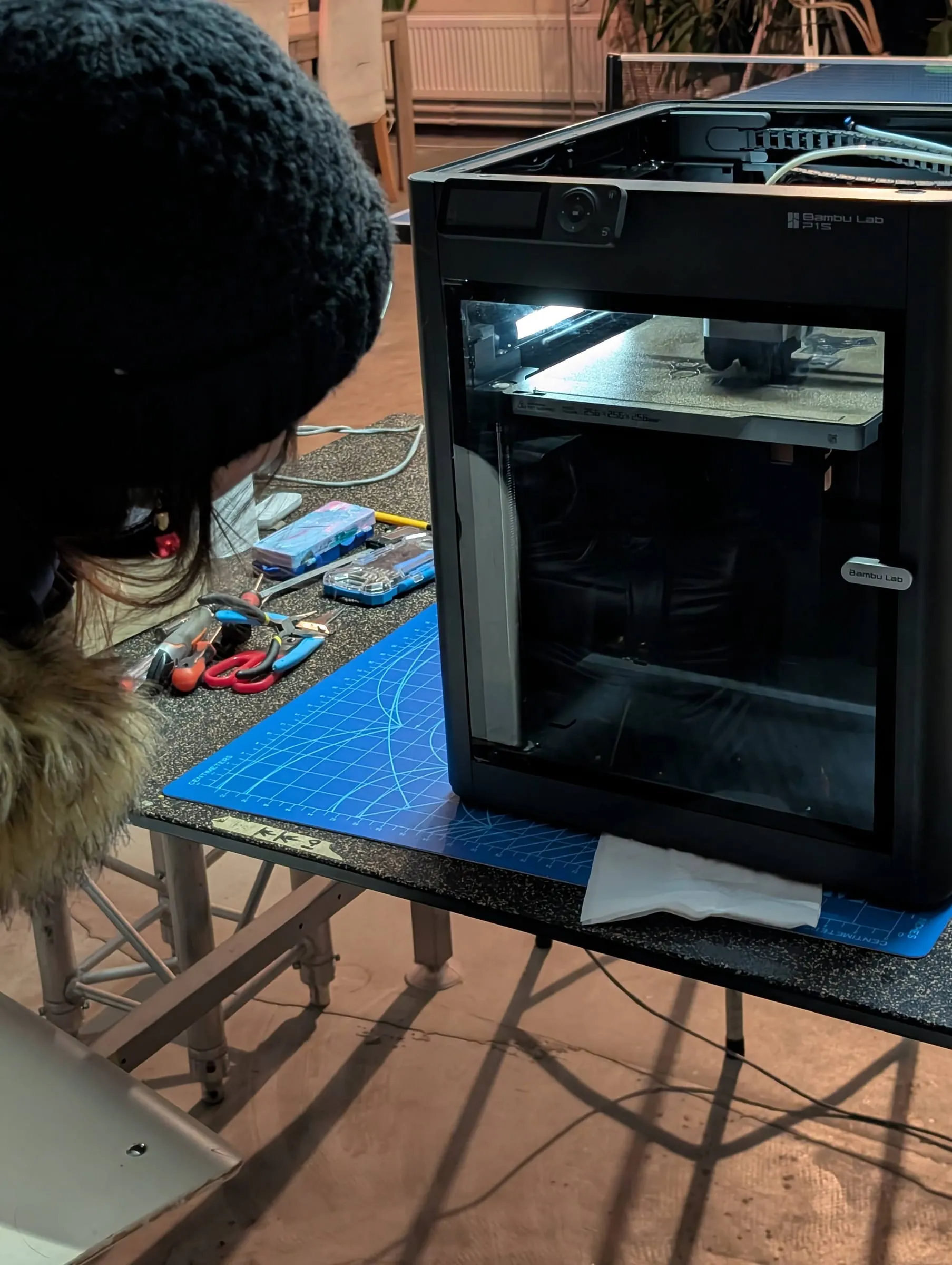
That took iteration — printing a version, loading it, finding where it flexed or where the fit was too tight to assemble wet-handed, and printing again.
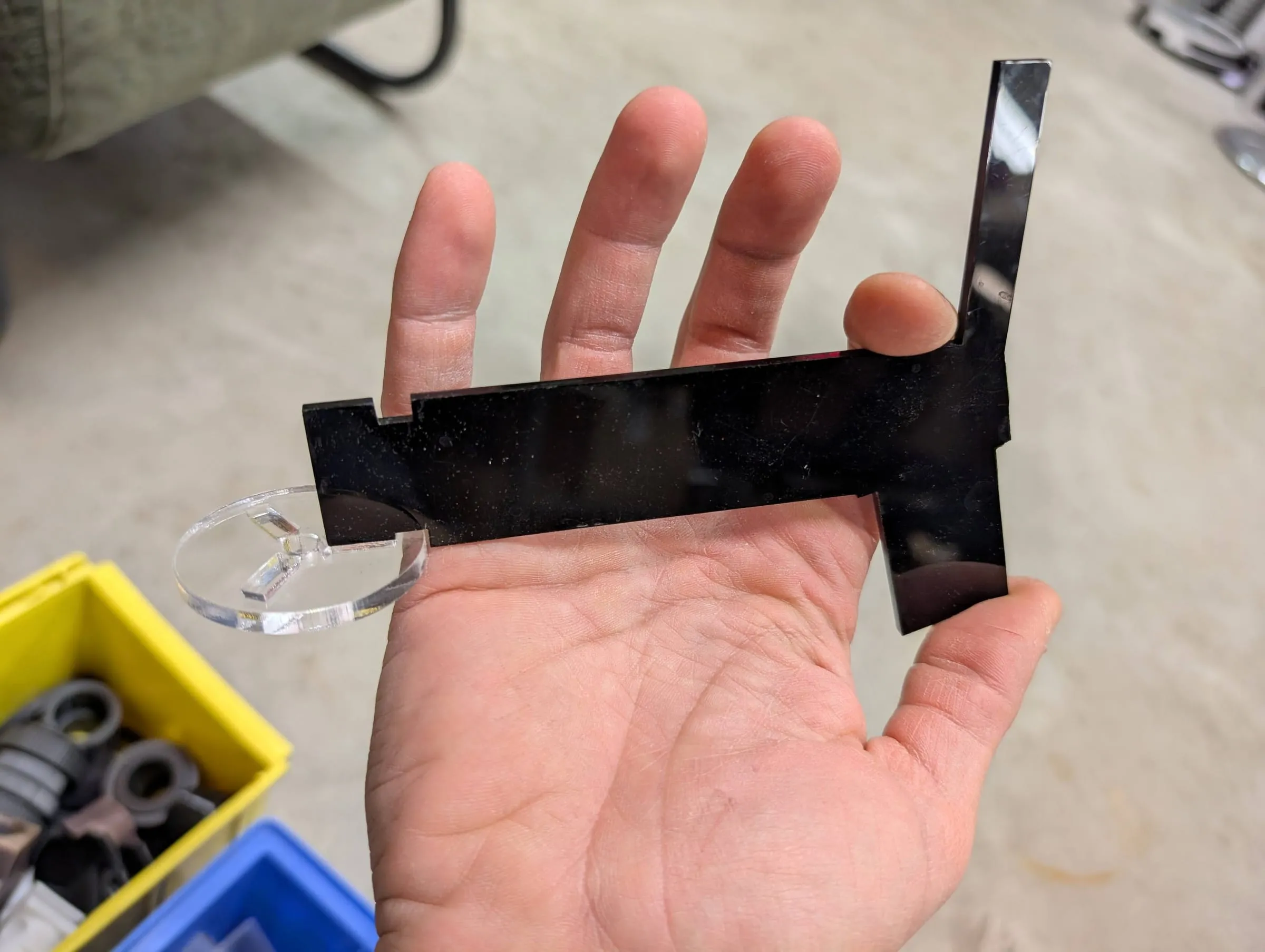
The system was designed to be modular so one set of parts covers different pond depths and dome sizes, rather than manufacturing a separate product per variant.
Then it went in the water, because a garden pond does things a workshop bench does not.
Working with the client
FishView reviewed printed parts in person throughout. For a physical product that is worth more than any amount of rendering — you find out in a minute whether a part feels solid or cheap, and whether an assembly step makes sense to someone who did not design it.
Where it stands
FishView is in production and selling. The team is based between the Netherlands and Ukraine.
- Product engineering
- Design for manufacture
- 3D printing
- Consumer product
Knowledge this took
- Negative-pressure water column design
- Plexiglass and acrylic fabrication
- Adjustable aluminium extrusion systems
- 3D-printed connectors designed for load, not looks
- Watertight sealing and locking mechanisms
- Design for manufacture and bill-of-materials work
So we can also build
- Water-tight enclosures and viewing systems
- Modular mounting kits that ship flat and assemble on site
- Any consumer product that has to survive outdoors unattended
- Taking a working prototype through to a manufacturable product
Something close to this but not quite it?
Got something like this in mind?
Ask Ola how we'd approach it, or go straight to a person.